October is one of the best months to be outdoors on Drummond Island.
The bugs are mostly gone, mornings are cool, leaves are changing, and hunting season is well underway. Small-game hunters are walking old roads and young aspen looking for grouse and woodcock. Bowhunters are settling into deer stands. Waterfowl hunters are watching the wind and migration. Anglers are still getting out on the bays and surrounding waters before winter arrives.
It is also a time when hunters, ORV riders, hikers and other recreationists are sharing the island’s public lands, making awareness and consideration for one another especially important.
For generations, hunting and fishing have been part of life here—not simply as recreation, but as a way people learn the land, spend time together and put food on the table.
Where Can You Hunt on Drummond?
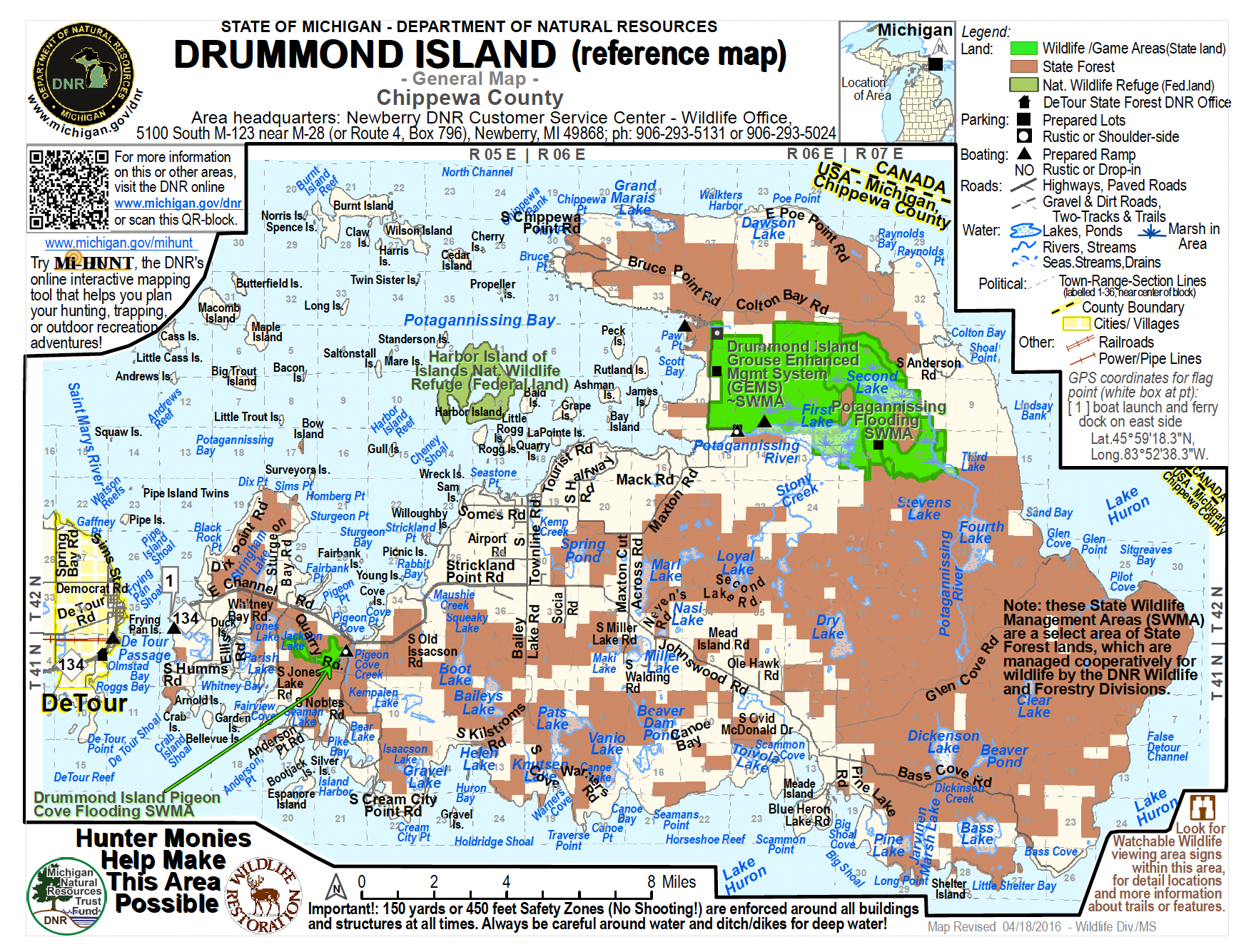
One of Drummond Island’s greatest outdoor assets is the amount of land available to the public. The island contains more than 47,000 acres of state-owned land, much of which provides hunting and other recreational opportunities.
The easiest way to determine exactly where public hunting is allowed is Michigan’s MiHunt mapping system. MiHunt shows approximate property boundaries for public hunting lands, along with habitat types, trails, roads and other useful information. Because public and private parcels are mixed together in some parts of the island, hunters should never assume that undeveloped land is public simply because there is no house nearby.
There are also properties protected by conservation organizations where hunting may be permitted under specific rules. The Clyde and Martha Williams Nature Preserve, managed by Little Traverse Conservancy, is one example. The Conservancy currently lists the 78.58-acre Williams Preserve on Drummond as open to bow hunting only.
Small Game
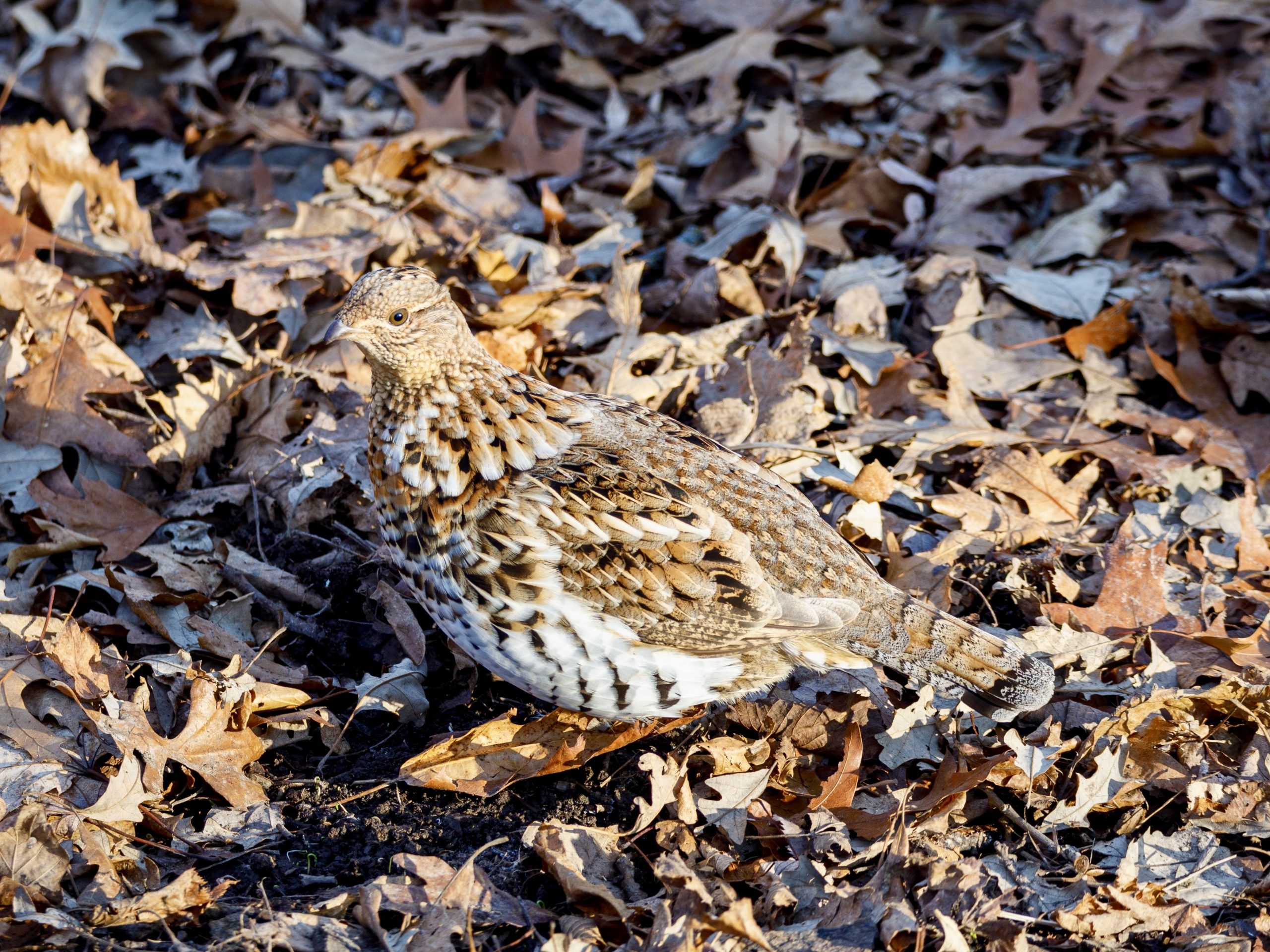
Drummond Island is especially well known for ruffed grouse and woodcock hunting.
Ruffed grouse favor young forests, particularly regenerating aspen stands that provide food and protective cover. Woodcock are often found in moist areas with young growth and a thick understory. Drummond Island’s mix of young forest, wetlands and old logging roads provides suitable habitat for both species.
Michigan’s 2026 ruffed grouse season runs September 15–November 14 and December 1–January 1. In Zone 1, which includes Drummond Island, the limit is five birds per day and 10 in possession.
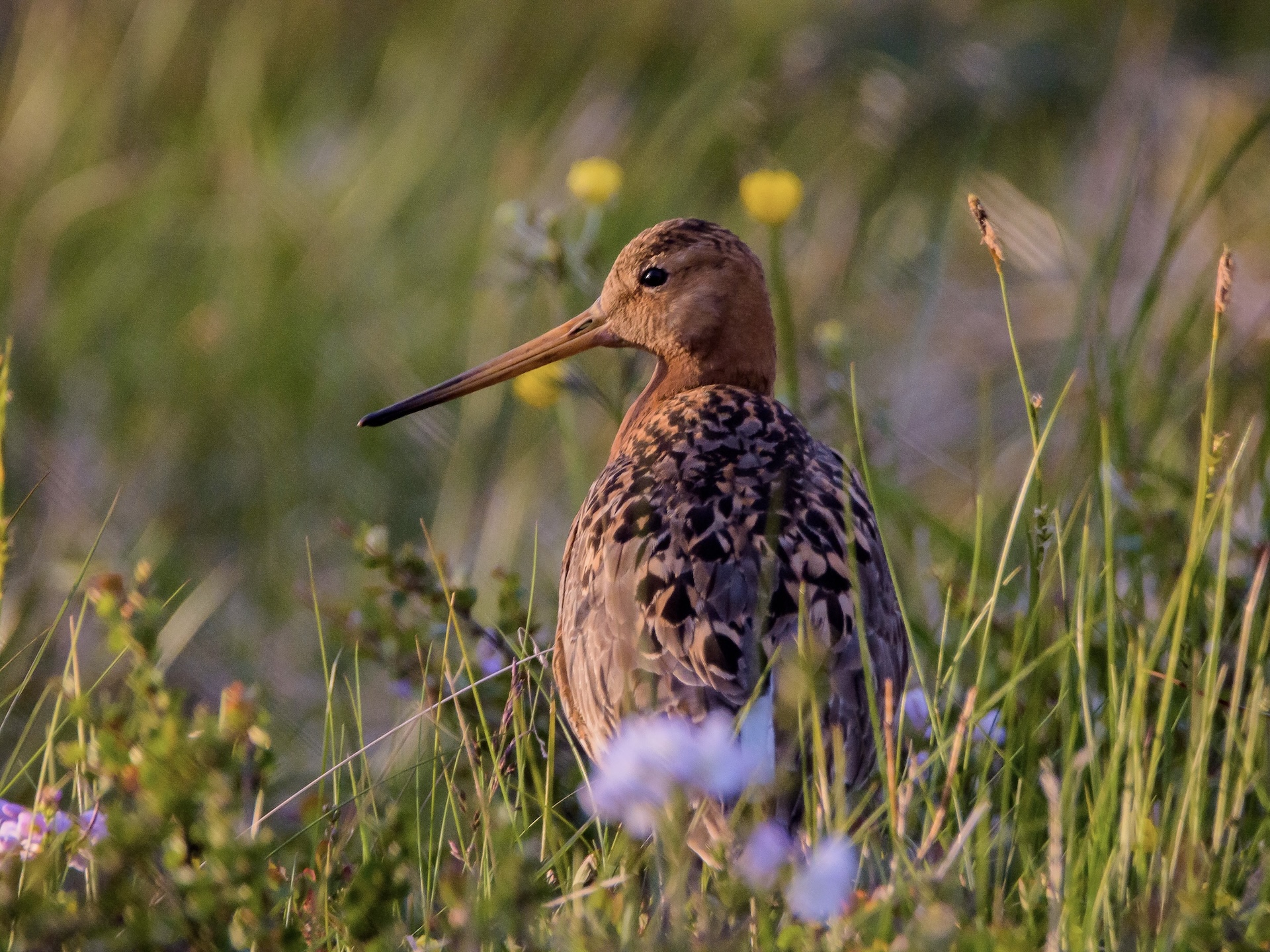
Because woodcock are federally regulated migratory birds, hunters must have a valid base license, the free Michigan woodcock stamp and a HIP endorsement. HIP stands for Harvest Information Program, and hunters pursuing migratory birds—including ducks, geese, woodcock, rails and snipe—must register annually. The 2026 woodcock season runs September 15–October 29, with a daily limit of three birds and a possession limit of nine. Shotguns used to hunt woodcock must be plugged so they hold no more than three shells.
Snowshoe hare are another traditional small-game species found on the island. Although Michigan regulations combine cottontail rabbits and snowshoe hare for bag-limit purposes, snowshoe hare are the species hunters are more likely to encounter in Drummond’s northern forest habitat.
A Special Place for Ruffed Grouse
At the north end of the island is the Drummond Island Grouse Enhanced Management Site, or GEMS. This approximately 2,800-acre area is managed to create and maintain the young-forest habitat favored by ruffed grouse and other wildlife. Old logging roads provide walking and hunting access, while active forest management maintains the mixture of forest ages that ruffed grouse need.
Sharp-Tailed Grouse: A Conservation Story
Drummond Island is also home to sharp-tailed grouse, but they should not be confused with the ruffed grouse found in the island’s young forests. Sharp-tailed grouse depend on more open landscapes, including grasslands, shrublands and Drummond Island’s globally rare alvar habitat.
The Michigan DNR helps maintain this open habitat through management practices that include prescribed burns. Fire helps prevent trees and shrubs from overtaking the open landscape on which sharp-tailed grouse and other alvar-dependent species rely.
Although sharp-tailed grouse are present on Drummond Island, the island is not within Michigan’s area open to sharp-tailed grouse hunting. Hunting them on Drummond Island is prohibited. Here, they are part of the island’s wildlife and habitat-conservation story—not a game-bird hunting opportunity.
Deer Hunting
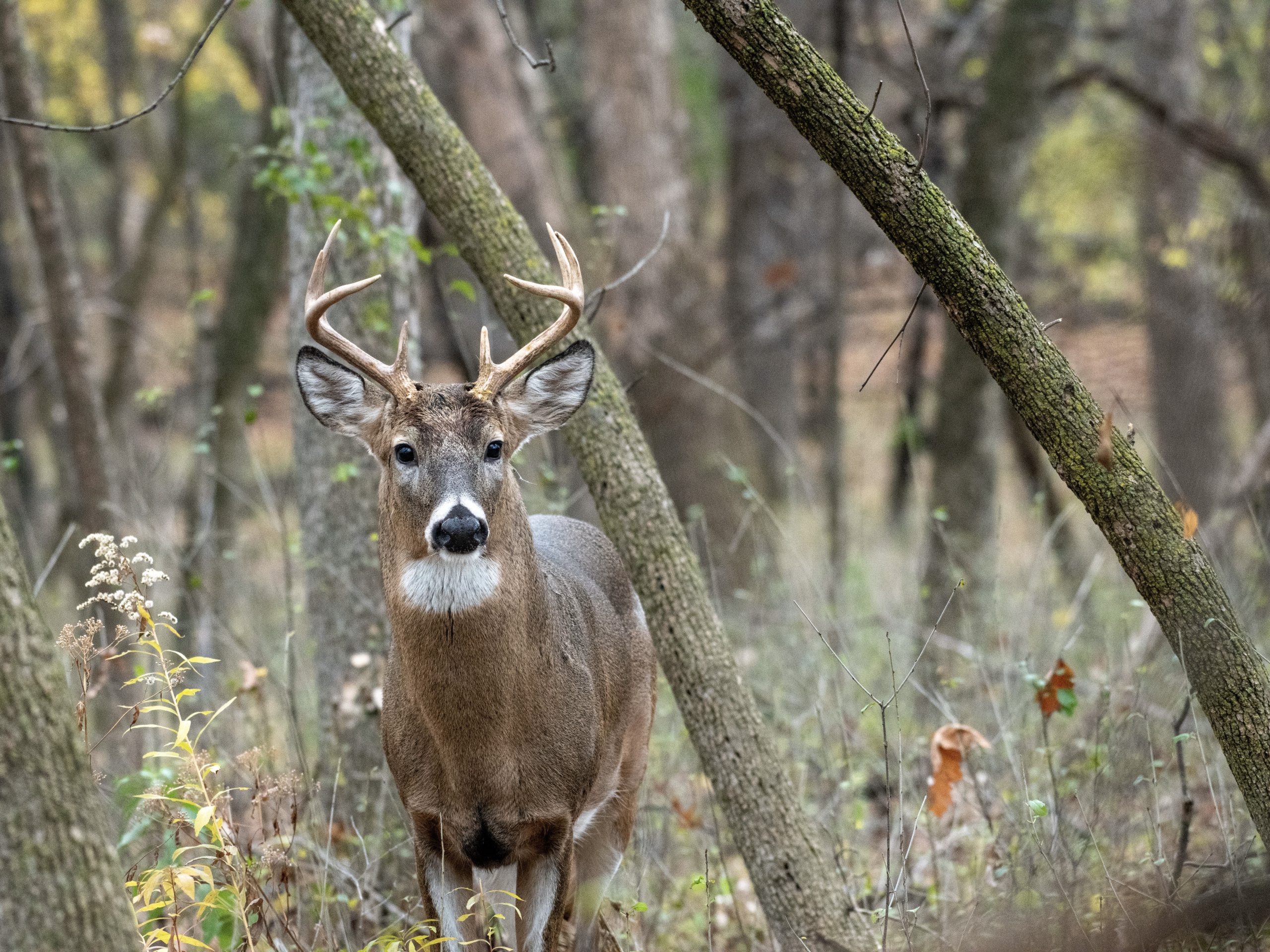
Michigan’s statewide archery deer season runs October 1 through November 14, followed by a second segment December 1 through January 1. During these archery seasons, hunters on Drummond Island may take a legal buck or a doe. Regular firearm season runs November 15–30, and muzzleloader season runs December 4–6; both are buck-only on the island.
Drummond presents a very different kind of deer hunt than many parts of Lower Michigan. Forests, cedar swamps, limestone terrain and large tracts of undeveloped land can make deer less concentrated, requiring hunters to spend more time scouting. Hunters may take only one buck during the entire season, generally requiring at least three antler points on one side. Universal antlerless licenses cannot be used on Drummond Island, so hunters should carefully review the current Michigan DNR regulations before heading afield.
Waterfowl
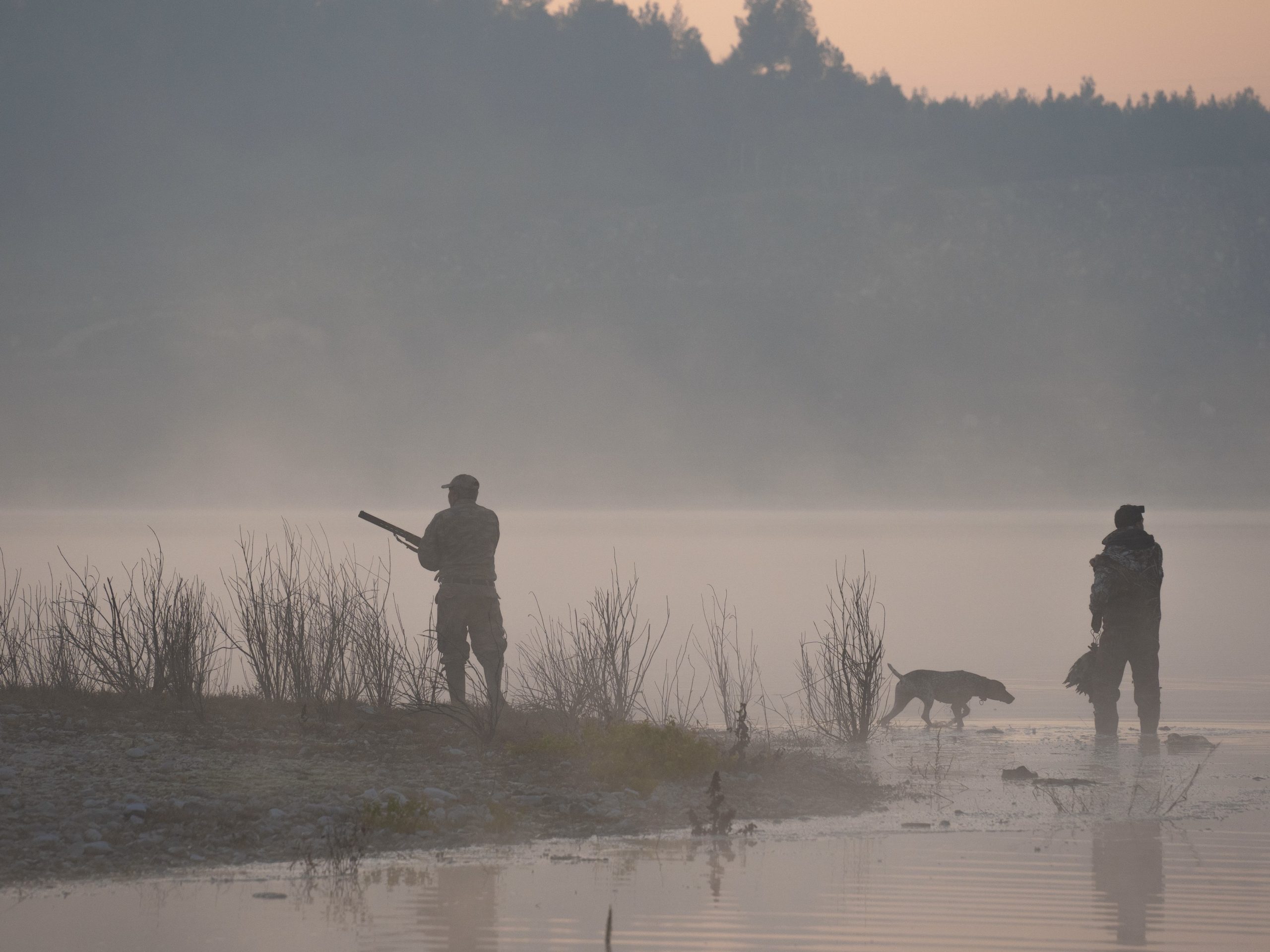
Fall also brings ducks and geese through the St. Marys River system and the bays and wetlands surrounding Drummond.
In Michigan’s North Zone, the 2026 duck, coot and merganser season runs September 26 through November 22, then reopens November 28–29. The North Zone dark-goose season—which includes Canada geese—runs September 1 through December 16.
Waterfowl hunting around an island presents its own challenges. Weather can change quickly, water temperatures fall rapidly in autumn, and wind can turn relatively protected water rough in a short time. Knowing the forecast, wearing the right flotation equipment and respecting private shoreline are just as important as knowing the hunting regulations.
Fishing Doesn’t End When Summer Does
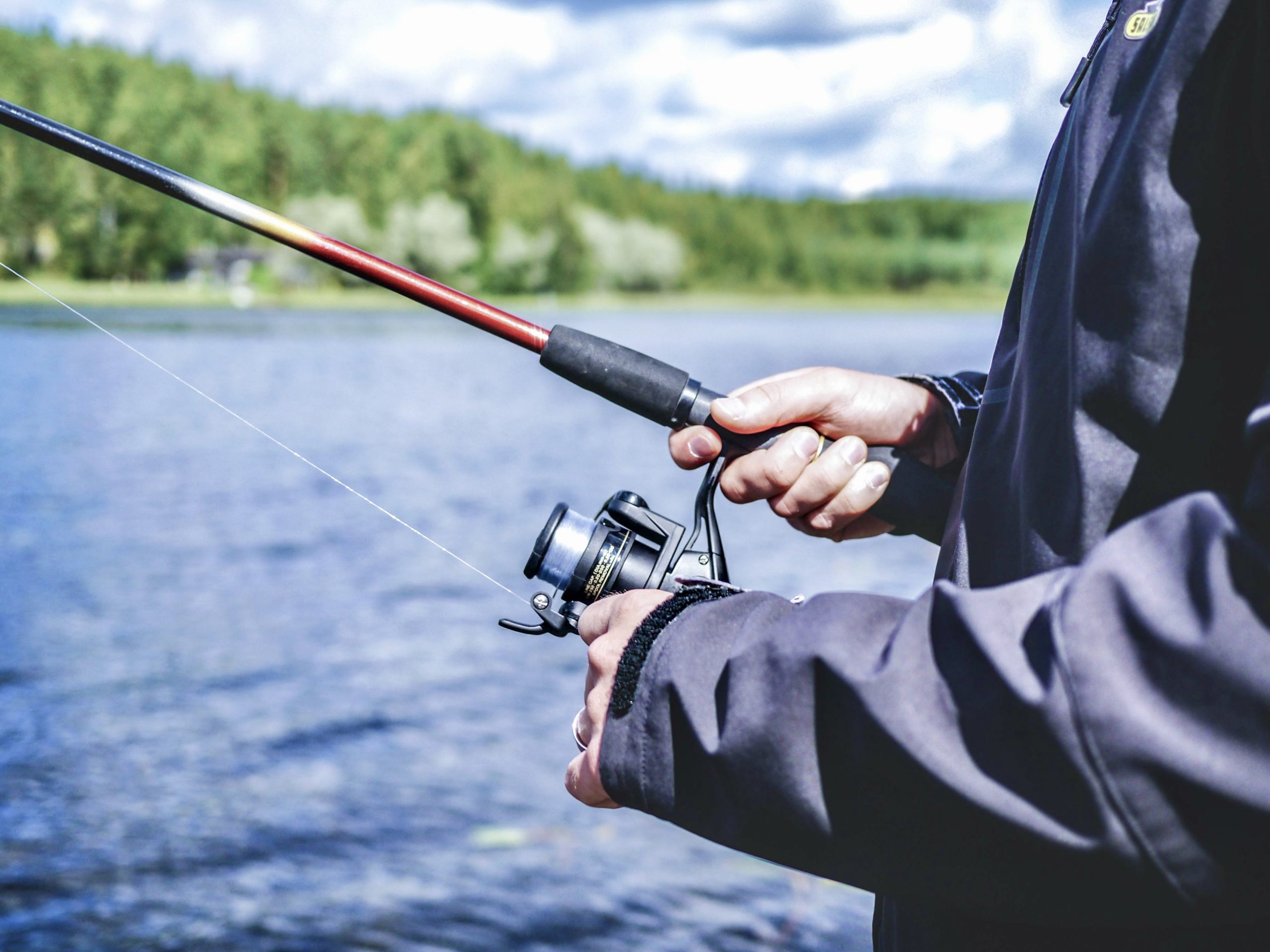
October can also be a beautiful time to fish around Drummond.
The recreational boating traffic has dropped, temperatures are cooler and many fish become active as water temperatures fall. The island’s surrounding bays, channels and shoals support species including northern pike, yellow perch, smallmouth bass and walleye.
Anglers should check the current Michigan Fishing Regulations before heading out because seasons, size limits and possession limits can vary by species and water.
And then, of course, comes ice.
Once safe ice forms, fishing remains part of island life throughout winter. Perch, pike, cisco, whitefish and other species draw anglers onto protected bays, but ice conditions around Drummond can vary tremendously because of currents, springs, changing weather and moving water.
Sharing the Woods
Fall hunting seasons overlap with one of the most beautiful times to ride Drummond Island’s ORV routes. Hunters and riders should expect to encounter one another on public land and extend each other a little extra courtesy.
ORV riders can help by staying on designated routes and trails, keeping speeds and noise down around parked hunting vehicles, and avoiding unnecessary disturbance near hunters in the field. Hunters should remember that established roads, routes and trails remain in use and should always identify what lies beyond their target before taking a shot.
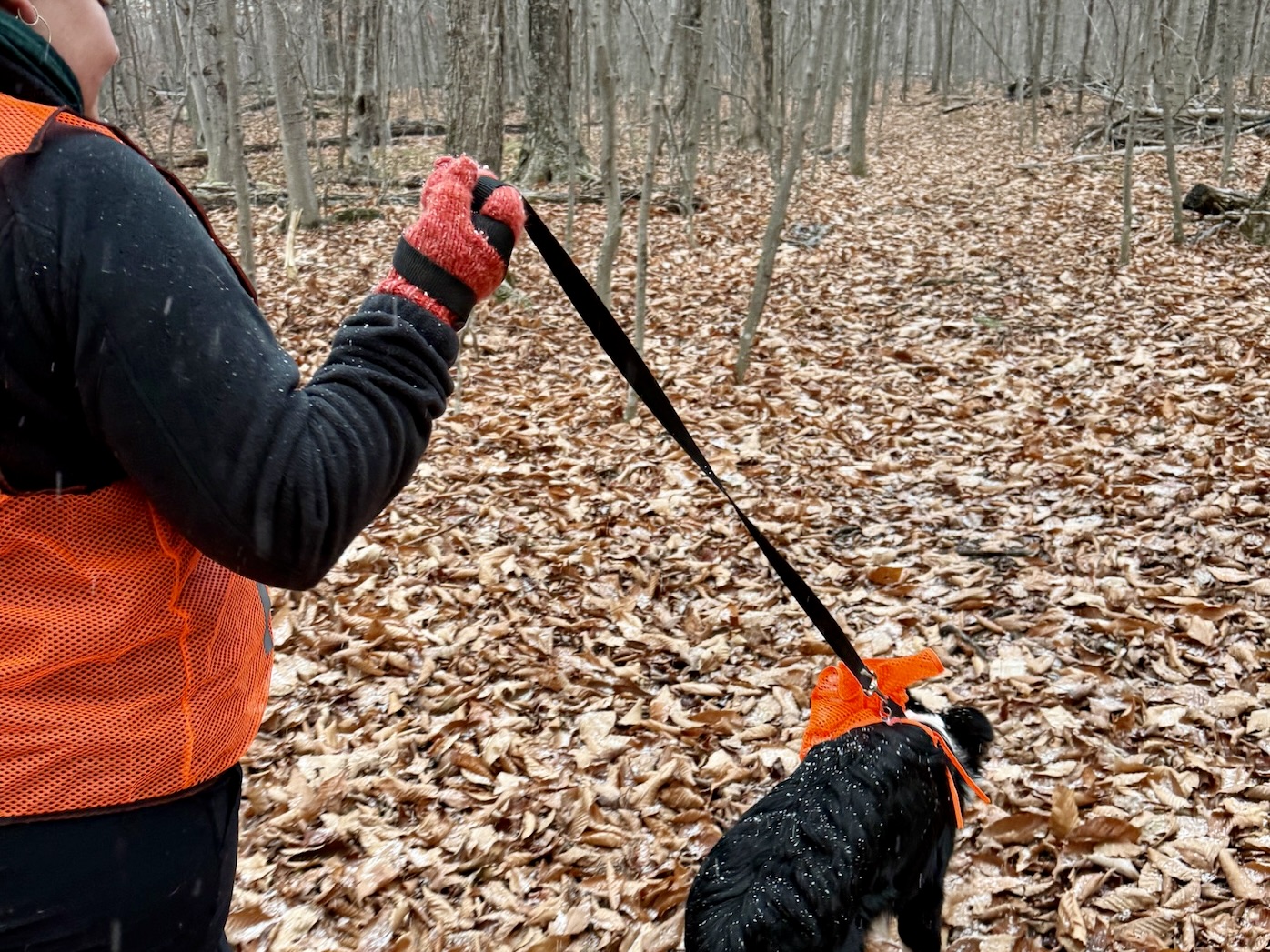
Riders, hikers and others spending time in the woods during hunting season may also want to wear blaze orange or another highly visible color. With awareness and mutual respect, hunters and fall recreationists can safely enjoy the island at the same time.
Editor’s Note
Season dates, bag limits and regulations were verified using Michigan DNR information available at the time of writing. Regulations can change, so hunters and anglers should always consult the current Michigan DNR hunting and fishing regulations before heading out.