A Drummond Island Hunting Tradition
We all see Drummond Island through a different lens. Property managers who love trail riding, for example, experience the island through both personal adventures and the stories of people who come here to explore.
Some of those conversations happen months before a visit, when a returning guest calls to catch up, ask about conditions, or make arrangements for their hunting party—and their dogs. Over the years, those calls provide a window into an island tradition that many of us recognize from the ferry but may know little about: snowshoe hare hunting with beagles.
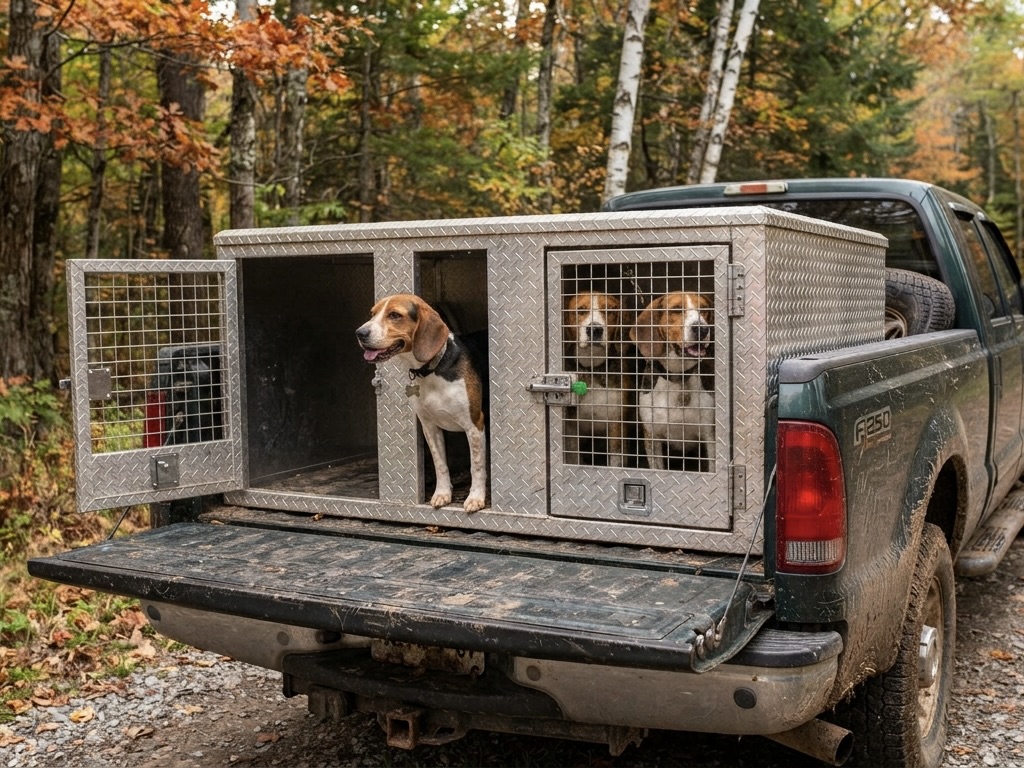
If you’ve made the crossing in fall, you’ve probably seen them. Trucks with specially built dog boxes pull aboard, carrying half a dozen beagles or more along with hunters looking forward to days in Drummond’s woods.
The stories behind those trucks offer another way to understand the public lands so many of us enjoy from the seat of an ATV or behind the wheel of a 4×4.
The Trip Begins Before the Ferry
One longtime visiting hunter calls several times throughout the year. As his trip approaches, there is usually a familiar question: Will there be an extra propane tank waiting beside the grill?
His group does all its cooking on the deck, even as leaves fall around them and cold winds sweep through the surrounding woods. This year, he added another request: an extra coffee pot for his hunting party of eight.
He always rents the same house, in part because it has a garage that works well for the dogs.
Those details offer a glimpse into the planning behind a hunting trip. The accommodations have to work for people and beagles alike. There must be enough fuel for meals, enough caffeine to go around, and a familiar place to return to after a day outside.
Over time, the arrangements become part of the tradition, and the conversations between visits become friendships. These trips hold a place on the calendar long before anyone starts packing the truck.
How Are the Hares Looking?
A newer visiting hunter called with a different question this year: How many snowshoe hares are out there?
A friend who spends plenty of time hiking and hunting the island recommended the state land around Dickenson Lake. He reported seeing rabbits, ruffed grouse, and woodcock, with a fair warning about the terrain: the walking is demanding, but he considers it worth the effort.
That is one hunter’s firsthand observation, rather than a promise of what anyone will find. Still, these exchanges are part of how people come to know the island: a question, a report from someone who has been out walking, and a suggestion that leads to another day of exploring.
Riders rely on those same exchanges. A conversation, a shared photo, or a comment on a social media post can introduce us to a new place and help us understand what to expect when we get there.
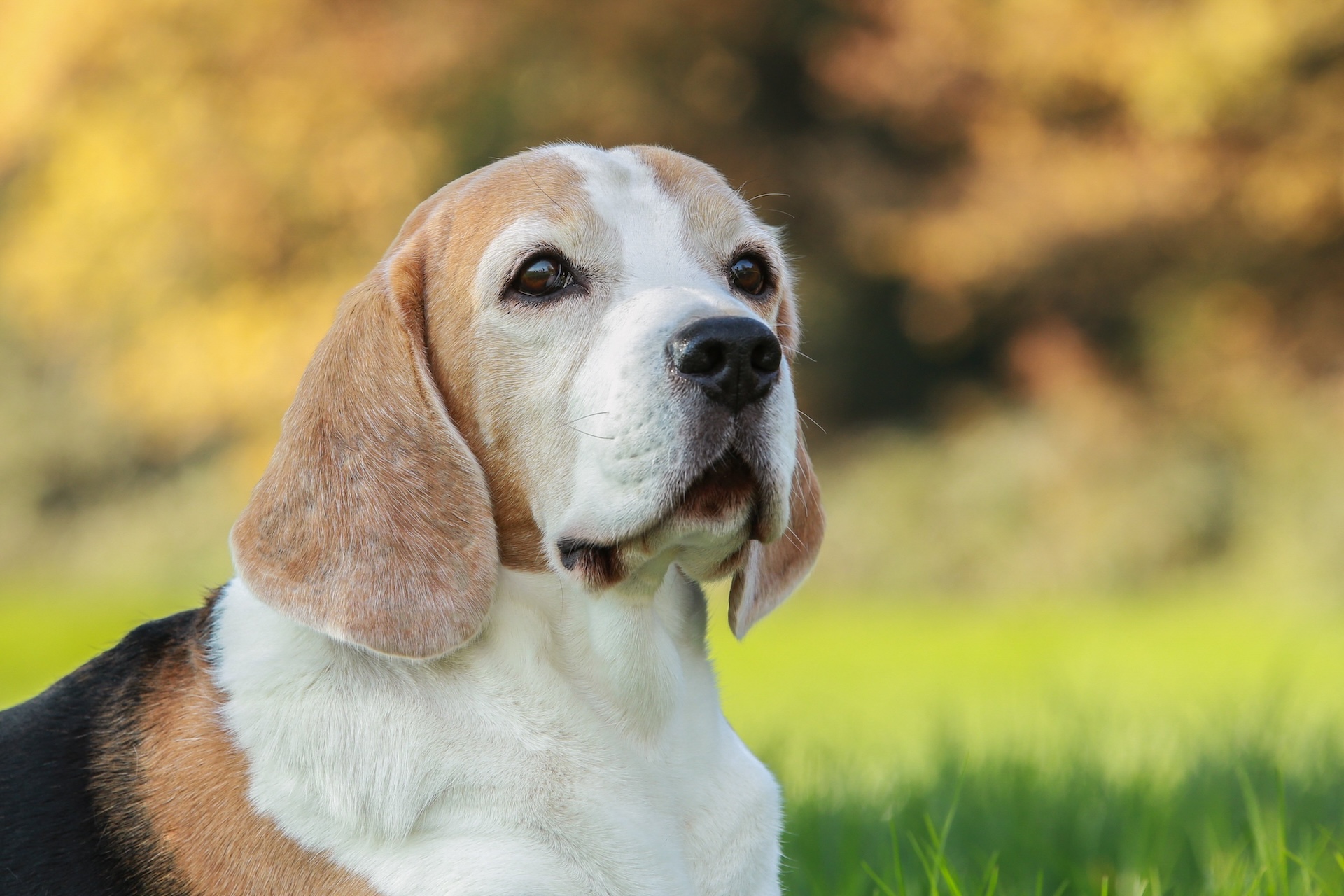
Image by christinescha from Pixabay
Why Beagles?
Snowshoe hare hunting with beagles is an experience shaped by sound as much as sight.
The dogs follow scent through the cover, giving voice as they work. Hunters listen to their progress and watch for an opportunity as the hare moves through the woods. A hare may circle through familiar ground, bringing the pursuit back toward an area it has already crossed.
The dogs do not make the hunt effortless. Thick vegetation, uneven footing, and a hare’s ability to disappear into cover still demand patience and attention.
For someone unfamiliar with the sport, the dogs may seem to be doing little more than barking in the distance. To the people who know them, those voices help tell the story of what is happening beyond view.
Watching and listening to the beagles is a central part of the outing, whether or not a hare comes home with the hunters. It also helps explain why so much preparation revolves around the dogs. They are working partners whose care is part of every day at camp.
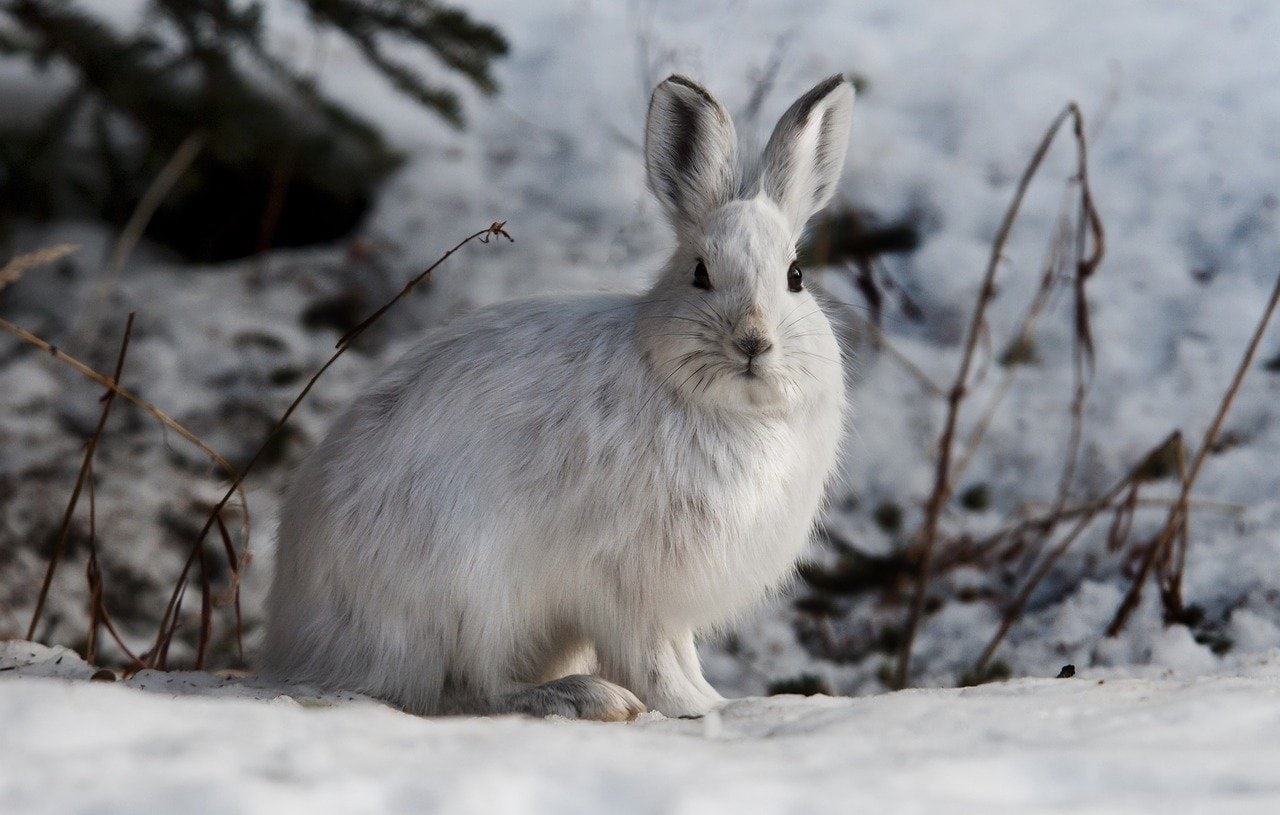
A snowshoe hare in its winter coat. Tim Rains/NPS, Public Domain
A Hare Built for the Northwoods
Although commonly called rabbits in hunting-camp conversation, snowshoe hares are a different species from cottontails.
Their large hind feet help them travel over snow, and their brown summer coats turn white for winter. Michigan’s snowshoe hares favor northern forests with dense understory, including cedar bogs and spruce swamps. That thick cover provides protection—and helps explain why a promising hunting area can also make for difficult walking.
Sharing the November Woods
November brings several kinds of hunters and other outdoor visitors into the same landscape. Planning a hare hunt means checking current season dates, licenses, hunting hours, equipment requirements, and rules for using dogs.
Michigan’s published snowshoe hare season runs September 15 through March 31. Other species have different seasons: seeing grouse or woodcock in an area does not mean they are open to hunting when you visit.
Hunters should confirm property boundaries, respect private land, and remain aware of nearby roads, trails, people, and dogs. During the November 15–30 firearm deer season, deer hunters are required to wear hunter orange visible from all directions, and riders may want to wear something bright as well.
Anyone using an ORV on public hunting land should know that during the November 15–30 firearm deer season, ORV operation is generally prohibited from 7–11 a.m. and 2–5 p.m., with limited exceptions including riding to and from camp. Review the current DNR ORV rules before you ride.
For off-road riders, an awareness of hunting activity adds another consideration when planning a day out. Parked trucks and dog boxes may be a reminder that people and dogs are working through the surrounding woods. Keeping speeds reasonable, watching carefully, and extending a little courtesy can help everyone enjoy their time outside.
Before heading afield, consult the current Michigan DNR Small Game Hunting Regulations Summary and applicable land-use rules.
Caring for a Place Worth Returning To
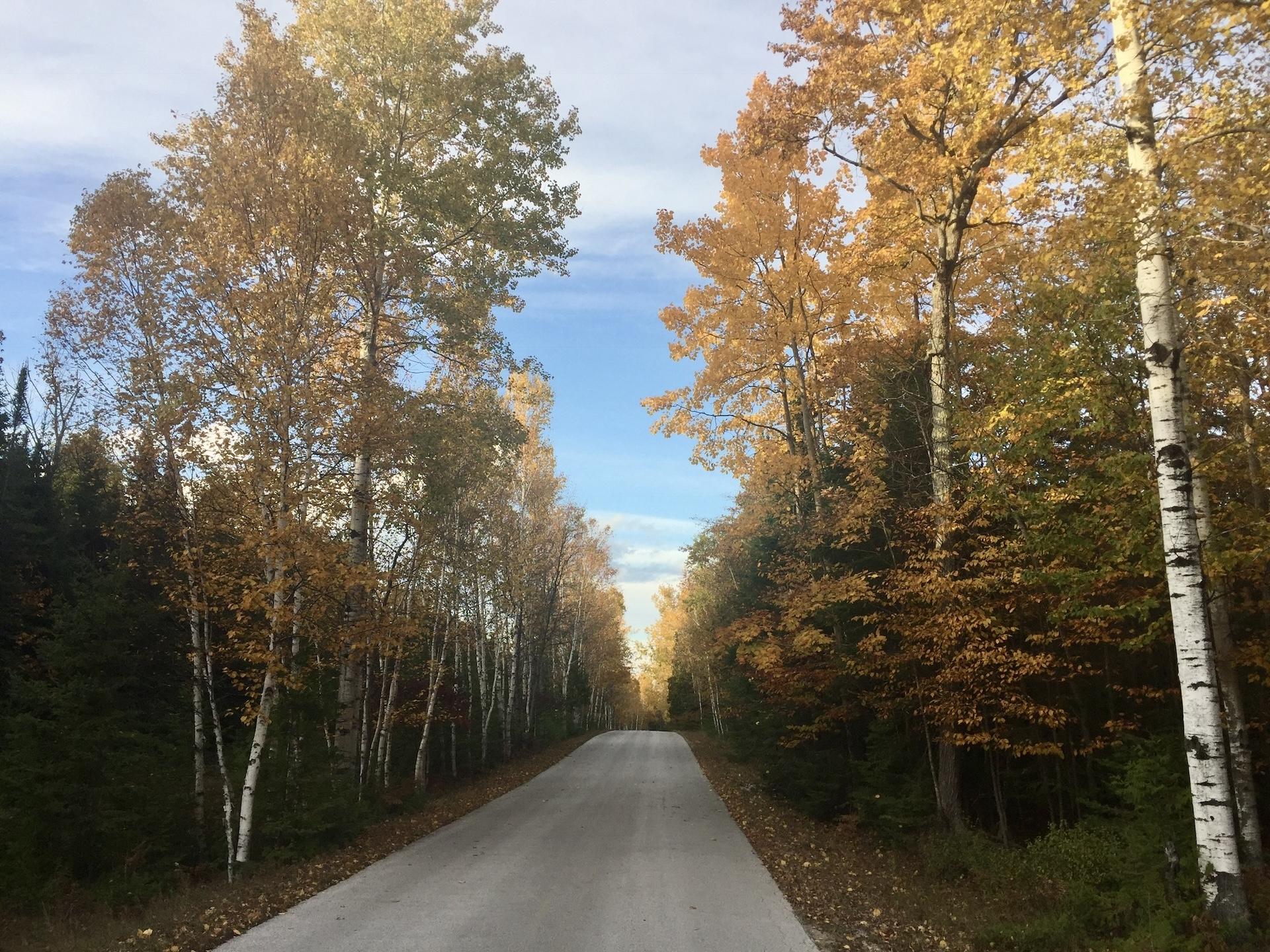
For those of us who know Drummond Island from behind the handlebars or steering wheel, hunting season offers another perspective on familiar ground. The trail we ride through in summer may provide access to someone’s hunting spot in fall. The thick cover beside a favorite route may shelter snowshoe hares, grouse, and other wildlife. These woods support much more than the route we follow through them.
DIORA’s commitment to off-road recreation includes understanding and respecting that larger landscape. Staying on designated routes, protecting surrounding vegetation, packing out trash, and showing consideration around hunting parties help care for both the riding experience and the habitat beyond the trail.
Back at that familiar hunting camp, the coffee will be brewing and dinner will be cooking on the deck, no matter how cold the wind gets. Out in the woods, the beagles will be doing what they do every fall: working the cover, voices carrying through the trees.
If you hear them this November, slow down, give them room, and take a moment to listen. You’re hearing a Drummond Island tradition at work.
For more outdoor features and DIORA updates, follow @drummondislandoffroadalliance on Facebook and Instagram.